A Guide to Managing a Loved One's Digital Legacy
By John Christopher · April 23, 2026
Category: practical-path

Navigating the practical path of managing a loved one's digital legacy requires a balance of technical steps and emotional boundary-setting.
Last Tuesday, I found myself staring at a notification on my phone. It was an automated reminder of my brother's birthday, sent by a calendar app he hasn't updated in years. It is a strange thing to be haunted by a piece of code. We often talk about grief as something that happens in living rooms and at gravesides, but a large part of it now happens behind a screen. We are left holding the keys to digital houses we didn't know existed, trying to figure out which doors to leave open and which ones to lock for good.
Managing a loved one's digital legacy is one of those modern burdens that nobody really explains to you while you are making funeral arrangements. It is a heavy, technical weight added to an already exhausted mind. You are forced to navigate The Practical Path of closing accounts and securing data while your heart is doing something entirely different. It can feel like a chore, or it can feel like a sacred act of preservation. Most days, it feels like both.
Understanding Digital Legacy
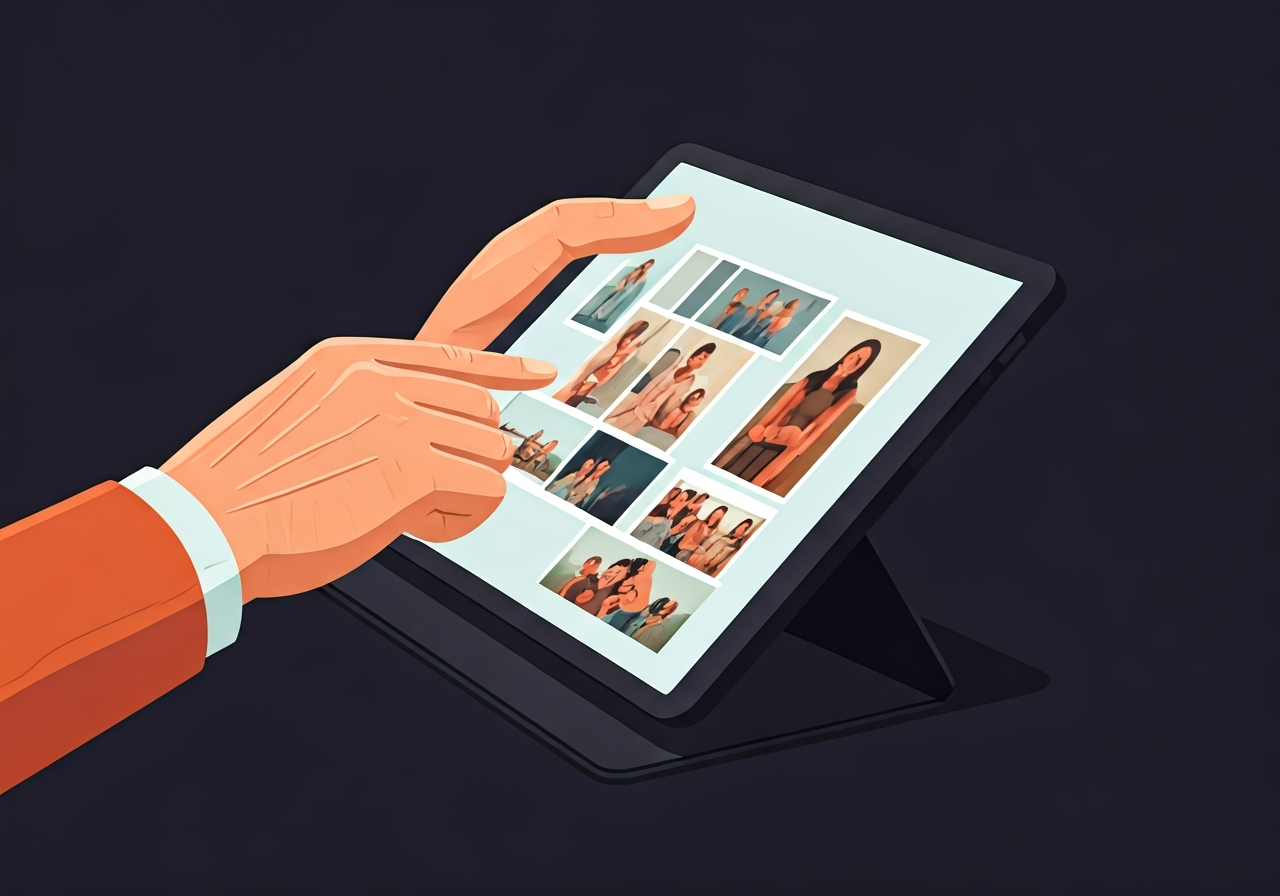
Digital legacy is essentially the trail of data a person leaves behind. It is the photos stored in a cloud, the half-finished drafts in an email folder, the social media profiles, and the subscription services that keep billing a credit card long after the owner is gone. It is the ghost in the machine. When we talk about digital legacy, we are talking about a person's virtual footprint - and how we choose to walk in it after they are gone.
Research suggests that by the end of this century, there may be more dead people on social media than living ones. This is a new kind of territory for us. In the past, you had a box of letters under the bed and a photo album on the shelf. Now, those letters are encrypted behind passwords you might not have, and the photos are scattered across three different platforms. Understanding this legacy means recognizing that a person's digital life is now a legitimate part of their estate, requiring the same care as their physical belongings.
Why This Matters Now
There is a specific kind of panic that sets in when you realized your loved one's phone is about to lock you out permanently. I remember trying to guess my brother's passcode, my hands shaking, knowing that after ten wrong attempts, everything might be wiped. We care about these accounts because they contain the textures of a life - the way they talked in direct messages, the specific music they saved to a playlist, the blurred photos that didn't make it to the living room frame but captured a real moment.
Beyond the emotional value, ignoring a digital legacy can lead to identity theft or financial complications. Dead people are often targeted by scammers because their accounts remain active but unmonitored. Managing this path is not just about nostalgia; it is about protection. It is a way of tidying up the loose ends of a life so that the person is remembered for who they were, rather than being reduced to a target for a bot or a recurring charge on a bank statement.
Inventory the Digital Estate

The first step on The Practical Path is often the most tedious. You have to figure out what actually exists. If you have access to their phone or computer, look for the apps they used most frequently. Check their email for confirmation messages from banks, utilities, and social networks. It can help to keep a simple list - a spreadsheet or just a notebook - of every account you find.
Many people find it useful to categorize these into three groups: financial, social, and sentimental. Financial accounts usually need to be closed or transferred. Social accounts might be memorialized or deleted. Sentimental accounts, like photo storage or blogs, are the ones you might want to download and save. Don't feel like you have to do this all in one afternoon. Take it one account at a time. If all you do today is find the login for the electric bill, that is enough.
Utilize Memorialization Features
Social media platforms have started to realize that they are becoming digital graveyards, and many have built features to help. Facebook allows you to turn a profile into a memorial page. This freezes the account so no one can log in, but it allows friends to leave messages and view existing photos. It stops the platform from suggesting that you "invite" the deceased person to an event, which is a small mercy when you are grieving.
Instagram offers similar features. Other platforms, like Google, have an "Inactive Account Manager" that can be set up in advance to notify a trusted person if the account goes dark for a certain period. If your loved one didn't set these up, you will often need a death certificate to make changes. It is a cold process, uploading a PDF of a death certificate to a tech company, but it is often the only way to gain control over the narrative of their digital presence.
Secure the Memories
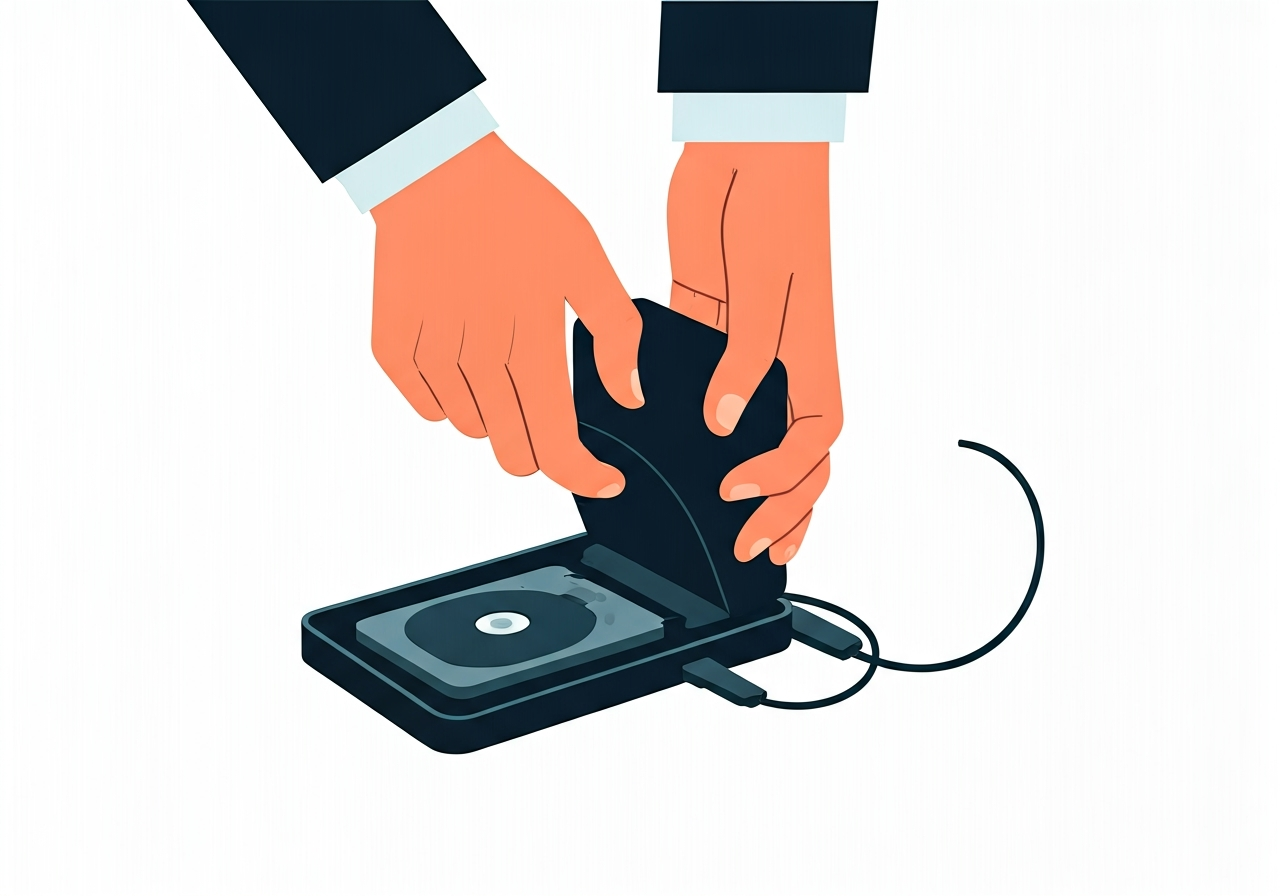
Clouds are not as permanent as they sound. If a subscription lapses, the data can be deleted effectively forever. One of the most important things you can do is download what matters. Services like Google Takeout or Apple's Privacy portal allow you to request a full download of all data associated with an account. This includes emails, photos, and documents.
I found a folder of voice memos on my brother's laptop that I hadn't known existed. Hearing his voice talk about something as mundane as a grocery list was more valuable to me than any bank account balance. Moving these files to a physical hard drive or your own cloud storage ensures that they won't disappear if a company changes its terms of service or if you lose access to the original account. It is a way of bringing those digital letters back under the bed where they belong.
Manage the Subscriptions
Nothing feels more like a gut punch than seeing a monthly charge for a streaming service or a gym membership show up on a bank statement three months after a funeral. It feels like a reminder that the world is still trying to take something from someone who isn't here to give it. You will need to contact these companies directly if you cannot access the accounts through a password manager.
Most companies are used to this, though some are more helpful than others. You might spend a morning on hold with a customer service representative who is reading from a script. Try to have the death certificate and proof of your relationship ready. It is exhausting work. If it becomes too much, it is okay to ask a friend to sit with you while you make these calls, or even to do some of the initial outreach for you. This is the part of the path that feels the least like a tribute and the most like paperwork, but it stops the bleeding of resources.
Decide on the Finality of Accounts
There comes a point where you have to decide which accounts to delete. You don't have to keep a digital presence alive forever. For some, keeping a Twitter profile active feels like a way to stay connected. For others, it feels like a painful reminder of what is gone. There is no right way to do this. You are allowed to delete things. You are allowed to close the door.
If you decide to delete an account, ensure you have extracted every photo or message you want first. Once the 'delete' button is pressed on most platforms, there is no going back. I chose to delete my brother's professional accounts but kept his personal ones memorialized. It felt like a way to separate the person from the work. Listen to your gut on this. If looking at an account makes you feel sick, you have permission to let it go.
When to Seek Support
If you are staring at a locked screen and feel like you are losing the only link you have left, or if the legal struggle of gaining access to an estate's digital assets is becoming overwhelming, it is time to look for professional help. Digital forensic experts can sometimes help with locked devices, though they can be expensive. More importantly, estate attorneys are increasingly specializing in digital assets.
It is also important to recognize the emotional toll. If managing these accounts is keeping you stuck in a loop of trauma - perhaps from reading messages or seeing photos you weren't ready for - it can help to talk to a grief counselor. They can help you set boundaries with the technology. You don't have to be the sole curator of a digital museum if the weight of it is breaking you.
We are the first generations to have to deal with this. There is no map, and The Practical Path often feels like it's being paved while we are walking on it. My brother is still in my contacts list. I haven't deleted his number, and I don't know if I ever will. That's the thing about digital legacy - it's messy, it's poorly defined, and it's deeply personal. You do the best you can with the passwords you have, and you let the rest go. The person wasn't the data, anyway. They were the one who created it, and that is the part that stays.
Frequently Asked Questions
What is the first step in managing a digital legacy?
The first step is taking an inventory of the accounts that exist. Check their email for bank statements, social media notifications, and subscription receipts to list out what needs to be addressed on the practical path.
How do I get access to a deceased person's phone without a passcode?
Gaining access without a passcode is difficult due to encryption. Some companies like Apple allow 'Legacy Contacts' to gain access if set up in advance. If not, you may need a court order or professional digital forensic assistance, though success is not guaranteed.
Can I keep a loved one's social media account active?
Many platforms like Facebook allow you to 'memorialize' an account. This keeps the profile visible as a tribute but prevents new logins and stops the platform from sending automated notifications like birthday reminders.
What happens to digital photos after someone dies?
If they are stored in a cloud service like Google Photos or iCloud, the data remains until the storage subscription lapses. It is vital to download these photos using tools like Google Takeout to ensure they are saved permanently on a physical drive.
Do I have a legal right to my loved one's digital accounts?
Legal rights vary by region and the platform's terms of service. Generally, being an executor gives you some rights to manage the estate, but privacy laws often prevent companies from giving you full login access. You will usually need a death certificate to close or memorialize accounts.